
Overview
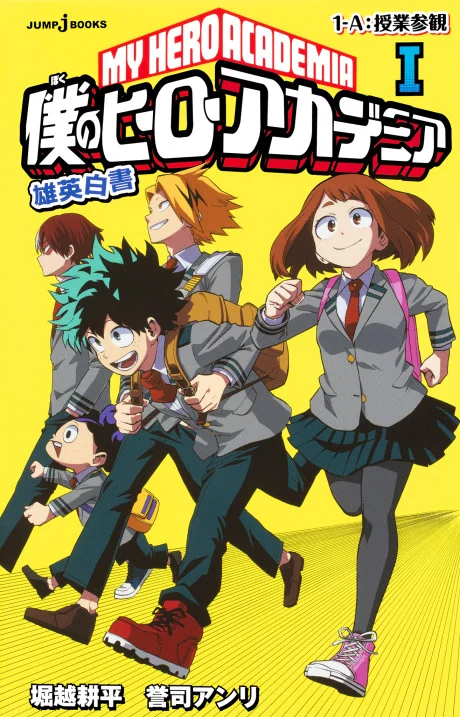
My Hero Academia: School Briefs matters because it carries the franchise into prose. Instead of retelling the major battles, this light novel series gathers short stories about ordinary school days at U.A. High, giving the cast room for quieter moments that the action-driven main storyline rarely pauses for. Collected across six volumes, it is a companion work rather than a substitute for the central narrative, and it reads best alongside the larger franchise rather than as a self-contained saga.
The experience is episodic and character-first. Each piece is brief, comedic, and shaped by the rhythms of student life, from classroom antics to training exercises and the small social collisions that show how these aspiring heroes relate to one another when no villain is on the page. The tone stays light, and the tension comes from everyday pressures rather than large-scale conflict.
Readers already familiar with the main cast will get the most from it, since the stories assume some knowledge of the students and their abilities. Even so, the short-story format makes it easy to sample one piece at a time, and its gentle, school-focused approach may appeal to readers who want a softer way into the franchise or a change of pace from its heavier arcs.
Synopsis
My Hero Academia: School Briefs is a prose light novel series set within the world of My Hero Academia, shifting focus away from large-scale villain battles to the quieter routines of U.A. High School. Across six volumes and forty-one chapters, the collection presents short stories about the everyday lives of the hero course students, covering the ordinary moments that unfold between major events like the sports festival and hero internships. The school setting remains central, with classrooms, dorm life, and campus occasions providing the backdrop for each self-contained tale.
The stories spotlight Izuku Midoriya and his Class 1-A classmates, along with teachers and other familiar figures from the hero course. Rather than following a single continuous plot, each chapter offers a brief glimpse into a different character's perspective, highlighting friendships, rivalries, and the small personal quirks that shape the students. Occasions such as parents' day give the young heroes a chance to show their families what they have learned, while quieter scenes explore how they handle the pressures of training alongside ordinary teenage concerns.
The primary conflict in these briefs is personal rather than apocalyptic. Students grapple with self-doubt, social awkwardness, and the challenge of balancing rigorous hero training with the everyday ups and downs of school life. Humor and lighthearted mishaps often drive the narratives, but the underlying tension comes from each character's effort to grow, connect with peers, and prove themselves worthy of the path they have chosen.
Should You Read It?
Read it if you enjoy
- Best for readers already familiar with U.A. High and Class 1-A who want quieter, character-first moments between major arcs.
- Suits fans of light comedy and school-life vignettes who enjoy sampling short prose stories one at a time.
- Works as supplemental reading for My Hero Academia fans who want more classroom, dorm, and campus-life material.
It may not suit you if
- May disappoint readers seeking large-scale villain battles, high stakes, or progression of the central My Hero Academia plot.
- Less impactful for newcomers, since the stories assume some knowledge of the students, teachers, and their Quirks.
- Not a substitute for the main manga; it is a companion side-story collection rather than a self-contained saga.
This automatic starting point balances the series length, pacing, time commitment, and available Volluble research data. Editors can override it when firsthand knowledge suggests a better entry point.
Why It Connects With Audiences
Why people love it
- Gives fan-favorite U.A. students room for gentle comedy, friendships, rivalries, and ordinary teenage concerns.
- Its episodic prose format makes the franchise’s school setting and cast chemistry the main draw rather than combat.
- Expands the world through parents’ day, internships, training exercises, dorm life, and other campus occasions.
Common criticisms
- Its side-story, non-continuous structure may feel inessential to readers wanting major plot developments.
- The collection assumes familiarity with the main cast and franchise, so its impact depends on prior My Hero Academia reading.
- Because it favors brief, light vignettes, some chapters may feel more slight or uneven than the core saga.
Volluble DNA
A quick profile of the title’s dominant storytelling ingredients.
Characters19 characters
Katsuki Bakugou
Main characterIzuku Midoriya
Main characterShouto Todoroki
Main characterOchako Uraraka
Supporting characterTenya Iida
Supporting characterToshinori Yagi
Supporting characterShouta Aizawa
Supporting characterMomo Yaoyorozu
Supporting characterEijirou Kirishima
Supporting characterMina Ashido
Supporting characterDenki Kaminari
Supporting characterHanta Sero
Supporting characterKyouka Jirou
Supporting characterFumikage Tokoyami
Supporting characterMirio Togata
Supporting characterNeito Monoma
Supporting characterEri
Supporting characterTetsutetsu Tetsutetsu
Supporting characterNemuri Kayama
Supporting characterManga Staff5 credits
View all 3 additional credits
Franchise Context
My Hero Academia: School Briefs (Boku no Hīrō Akademia Yūei Hakusho) is a prose light novel spin-off within the wider My Hero Academia franchise, which began as Kōhei Horikoshi's manga in Shueisha's Weekly Shōnen Jump in 2014 and grew into a media mix spanning anime, films, and multiple printed side series. Unlike the main manga, this entry is told in short prose fiction rather than drawn panels, and it sits alongside companion works such as My Hero Academia: Smash!!, Vigilantes, and Team-Up Missions rather than replacing or continuing the primary storyline.
The series ran from 2016 to 2021 across six volumes and forty-one chapters, placing it in the same early-to-mid period as the franchise's first anime adaptations. It functions as a side-story collection set around U.A. High's hero course, not a retelling or an alternate version of the main narrative, and it is best read as supplemental material for those already familiar with Horikoshi's characters. VIZ Media published the novels in English, the same outlet responsible for the core manga, so the books reach the franchise's existing readership rather than standing apart from it.
Where This Fits in My Hero Academia
A spoiler-light guide to where this exact work fits within the broader My Hero Academia franchise.
-
Step 1
Begin with the main My Hero Academia manga by Kohei Horikoshi, because School Briefs assumes you already know U.A. High and its hero course cast.
-
Step 2
Read School Briefs after the early U.A. arcs of the main manga, since its prose stories touch on school events, internships, and family visits without retelling the central plot.
-
Step 3
Treat this light novel as optional and alternate. It adds character-focused side stories rather than serving as a required main-story installment.
-
Step 4
Other franchise spin-offs such as Smash!!, Vigilantes, and Team-Up Missions are separate routes. Pick them by mood: comedy, prequel-era hero action, or team missions.
-
Step 5
After School Briefs, return to the main manga for the core storyline, or continue with another spin-off if you want more expanded-universe material.
Franchise Path
- Start with Kohei Horikoshi's main My Hero Academia manga to meet U.A. High and Class 1-A.
- Read School Briefs after the early U.A. arcs; its prose stories assume knowledge of the cast and school events.
- Treat it as an optional side-story collection, not a replacement for the central plot.
- Other MHA routes like Smash!!, Vigilantes, and Team-Up Missions are separate spin-offs to pick by mood.
After You Finish
Continue with
- No direct sequel: School Briefs is a complete six-volume, 41-chapter prose collection.
- For more franchise material, continue with the main My Hero Academia manga.
- Or choose another MHA spin-off: Smash!! for comedy, Vigilantes for prequel-era hero action, Team-Up Missions for team missions.
Community Verdict
Quick reader and viewer signals from the Volluble community.
Would you recommend this?
Did the ending satisfy you?
Would you read it again?
Try Something Similar
Report an issue
Spot something wrong on this page? Tell us what needs attention.
0 Comments
Be the first to comment.