
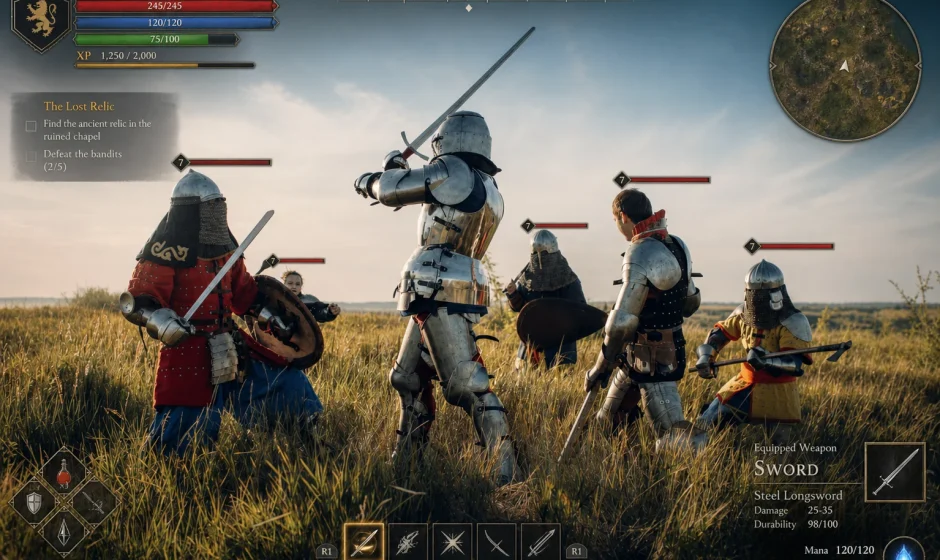
The best open-world RPGs you can play for 100+ hours are not necessarily games with 100-hour main stories. They are games that give you enough worthwhile reasons to keep playing after the main quest stops being your only concern.
That might mean finding another cave in The Elder Scrolls V: Skyrim, rebuilding your character around a completely different weapon in Elden Ring, losing an evening to shipbuilding in Starfield, or starting another Baldur’s Gate 3 campaign because you want to know what happens when you make all the decisions you avoided the first time.
That distinction matters. This is not a ranking of the 20 longest main campaigns. It is a list of RPGs that can realistically support triple-digit playtime through exploration, side content, expansions, character builds, alternate decisions, endgame systems, or replayability.
If you want one game capable of occupying the next several weekends, these are the places to start.
What Counts as a 100-Hour RPG?
There is a big difference between a game taking 100 hours to finish and a game being worth playing for 100 hours.
We are interested in the second category.
A player who ignores optional content will finish several games on this list well before reaching triple digits. Someone who explores, completes major side quests, experiments with builds, plays expansions, or starts another character can have the opposite experience.
That is why replayability matters here just as much as map size. A giant world filled with repetitive objectives is not automatically better than a smaller RPG where one decision can change an entire questline.
With that out of the way, clear the calendar.
20-16: Open-World RPGs That Reward Exploration
20. ELEX
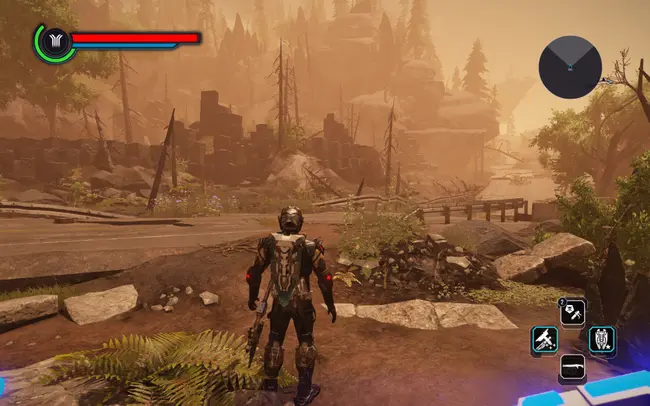
Piranha Bytes never made RPGs that were especially interested in holding the player’s hand, and ELEX might be one of the clearest examples.
The planet Magalan is a bizarre mixture of fantasy and post-apocalyptic science fiction. Swords, magic, firearms, mutants, advanced technology, and ruined civilizations somehow occupy the same setting.
The opening hours can be brutal. Walk into the wrong area and something much stronger than you can end the trip almost immediately. That danger makes progression satisfying because returning to previously hostile areas with better equipment and abilities actually feels different.
The faction system adds another reason to return. A straightforward campaign does not need 100 hours, but exploration and alternate faction choices give players considerably more to see.
Best for: Players who miss old-school RPGs that expect them to figure things out.
19. Outward
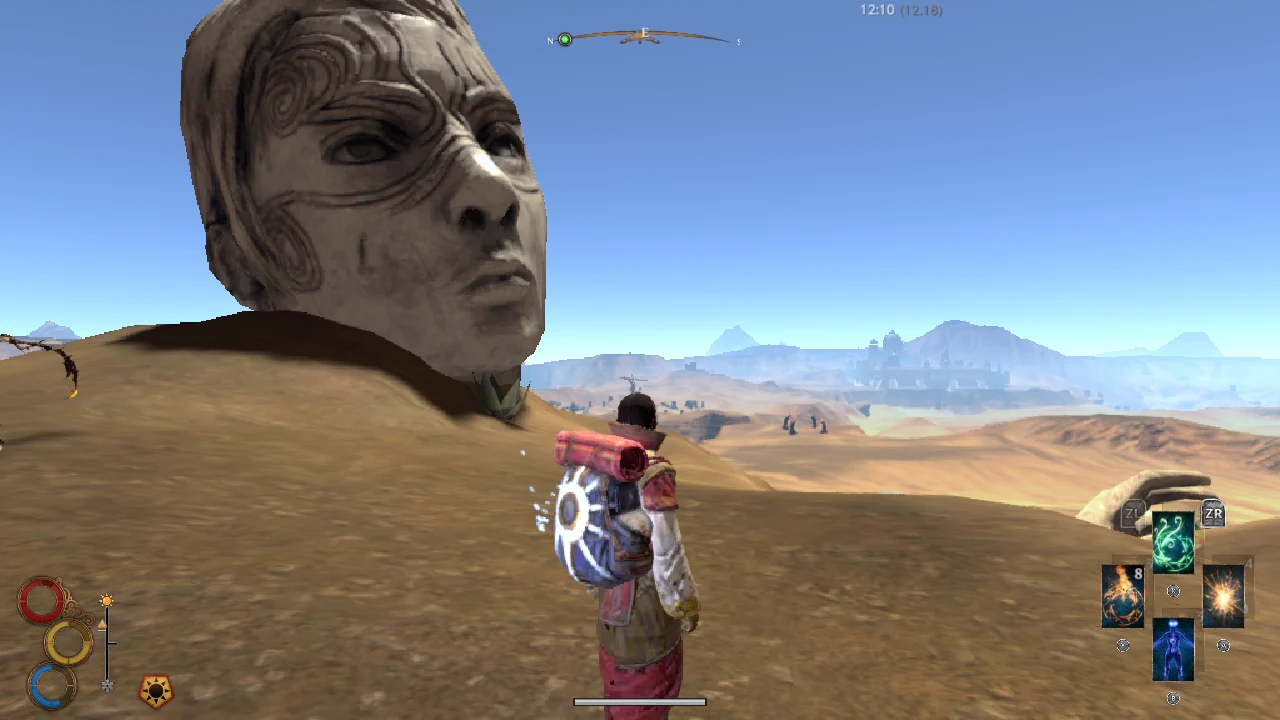
Outward starts from a premise that sounds almost strange compared with modern power-fantasy RPGs: you are not particularly special.
Travel itself can be dangerous. Food, disease, temperature, exhaustion, equipment, and preparation matter, so walking from one settlement to another becomes part of the adventure instead of dead time between quests.
That slower rhythm will frustrate some players. For others, it is exactly why Aurai becomes memorable.
Multiple factions and quest paths also mean one character cannot conveniently experience everything. If Outward clicks with you, creating another character feels less like repeating the game and more like approaching the world from another direction.
Best for: Players who want survival mechanics to matter inside their RPG.
18. ELEX II
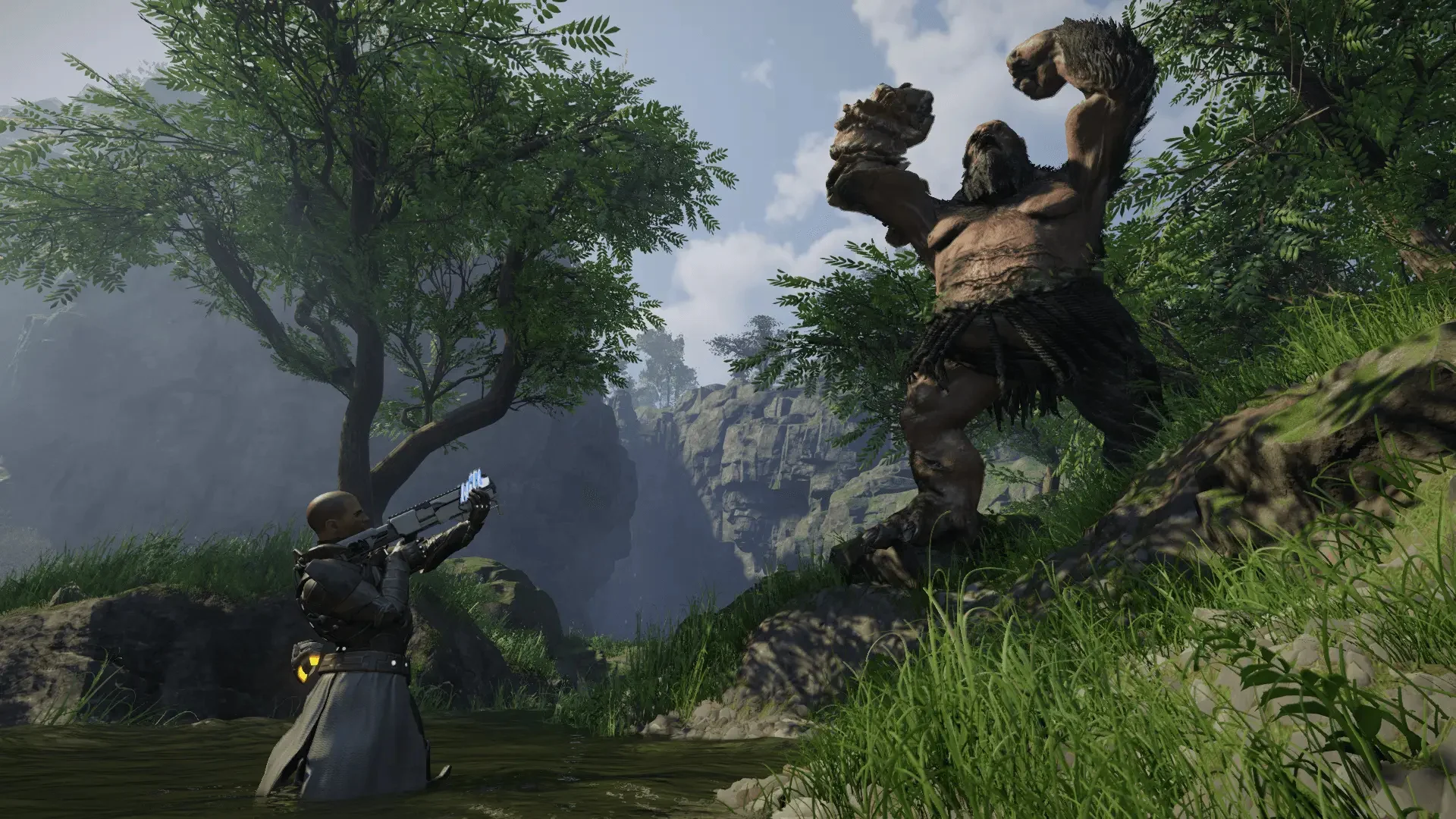
ELEX II returns to Magalan and keeps the strange fantasy-meets-science-fiction identity of the original.
The biggest improvement is movement. Jetpack upgrades eventually give players much more freedom to move vertically through the environment, making exploration considerably less restrictive.
Factions and character choices remain central to the experience. Like the first game, this is not a mandatory 100-hour campaign. The longevity comes from wandering, experimenting with progression, and seeing how different allegiances affect the journey.
Best for: Players who liked the ambition of the first ELEX but wanted more freedom while exploring.
17. Dragon’s Dogma 2
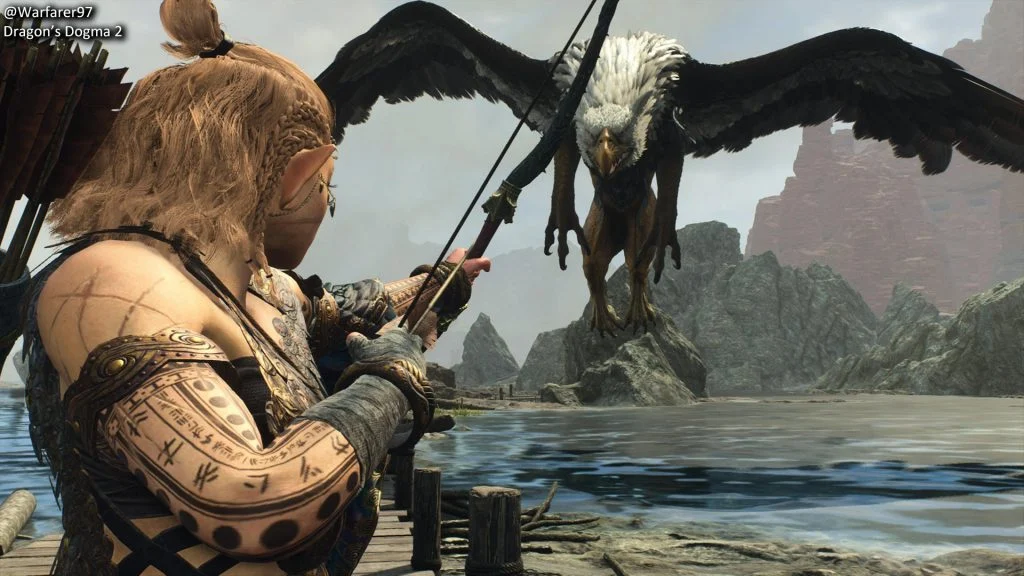
Dragon’s Dogma 2 is at its best when a routine journey stops being routine.
You might leave town expecting to reach another settlement before dark. Then a griffin lands nearby. A cyclops joins the fight. Night arrives before you planned for it. Suddenly the trip itself has become the story.
Capcom’s Pawn system adds to that unpredictability by surrounding the player with AI-controlled companions that learn, fight, offer advice, and can be shared with other players.
Vocations provide the real long-term hook. Switching from an Archer to a Fighter, Sorcerer, Thief, or one of the more specialized Vocations can substantially change how combat feels.
Best for: Players who enjoy emergent adventures and experimenting with combat classes.
16. Hogwarts Legacy
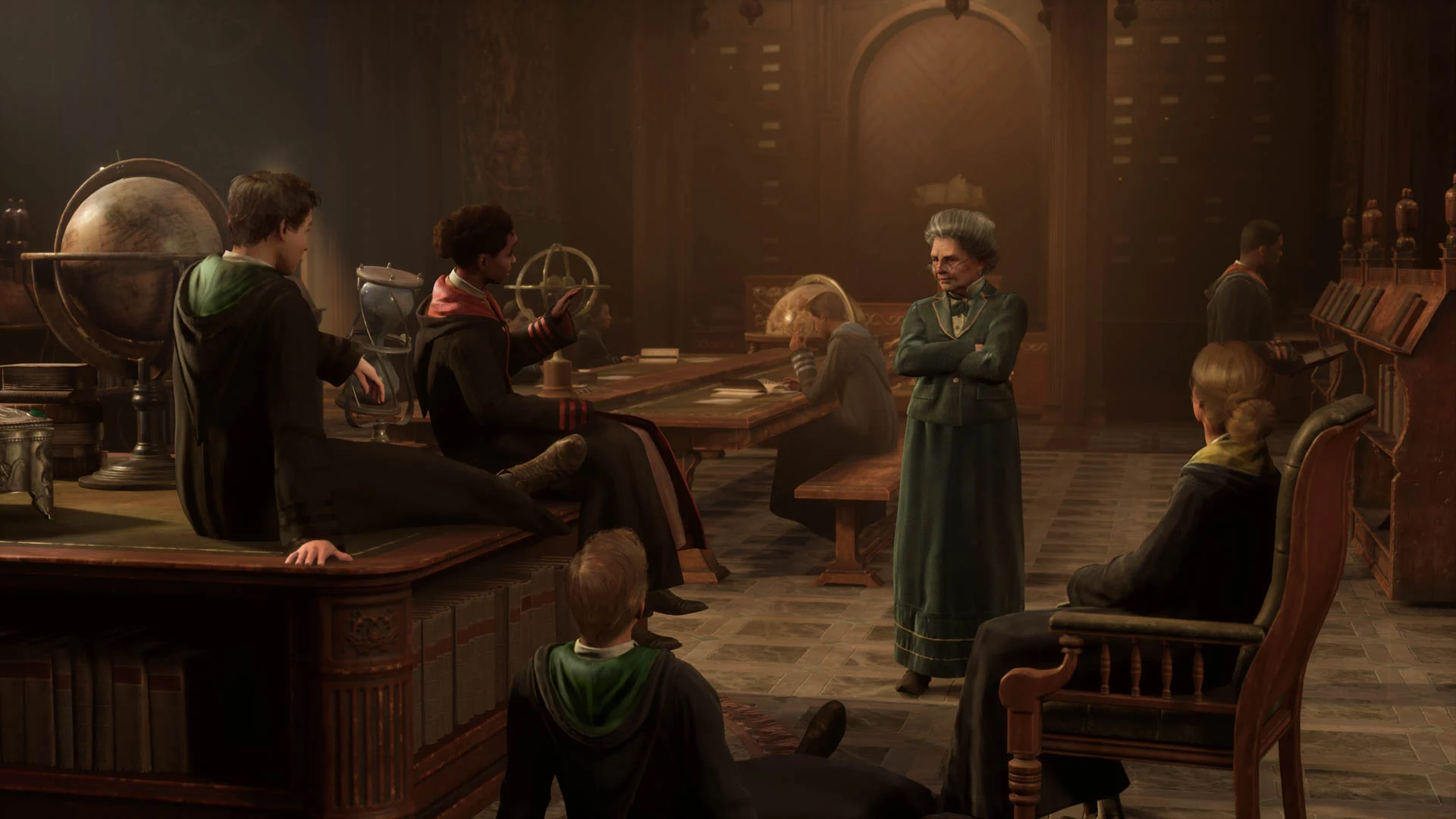
Hogwarts Legacy does not have a 100-hour main campaign. Completionists are the reason it belongs here.
Hogwarts itself is dense with puzzles, hidden rooms, collectibles, classrooms, and familiar locations. The explorable area extends far beyond the castle into Hogsmeade and the surrounding countryside.
There is a lot to clear from the map. Merlin Trials, side quests, challenges, combat encounters, collectibles, and exploration can substantially extend a playthrough.
The appeal is especially strong for Harry Potter fans who are perfectly happy spending time inside Hogwarts without worrying about reaching the next major story beat.
Best for: Harry Potter fans and completionists who enjoy clearing a large open-world checklist.
15-11: Worlds Built for Long Playthroughs
15. Fallout: New Vegas
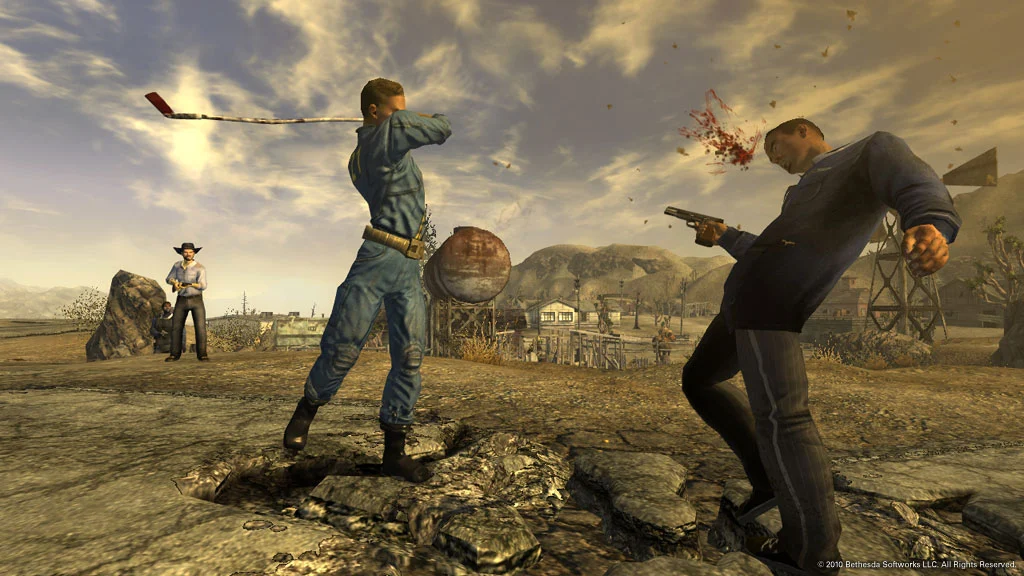
Fallout: New Vegas is proof that map size is a terrible way to measure how much RPG is actually inside an RPG.
The Mojave Wasteland is packed with factions, settlements, companions, quests, and decisions. Supporting the NCR creates a different political path from backing Caesar’s Legion or Mr. House, while an independent Vegas opens another route entirely.
More importantly, those choices regularly collide with smaller factions and individual characters.
The four major story expansions, Dead Money, Honest Hearts, Old World Blues, and Lonesome Road, add even more material.
A single run can be substantial. Trying another build and making completely different political choices is where New Vegas starts eating entire weekends.
Best for: Players who value dialogue, factions, consequences, and role-playing over visual spectacle.
14. Assassin’s Creed Valhalla
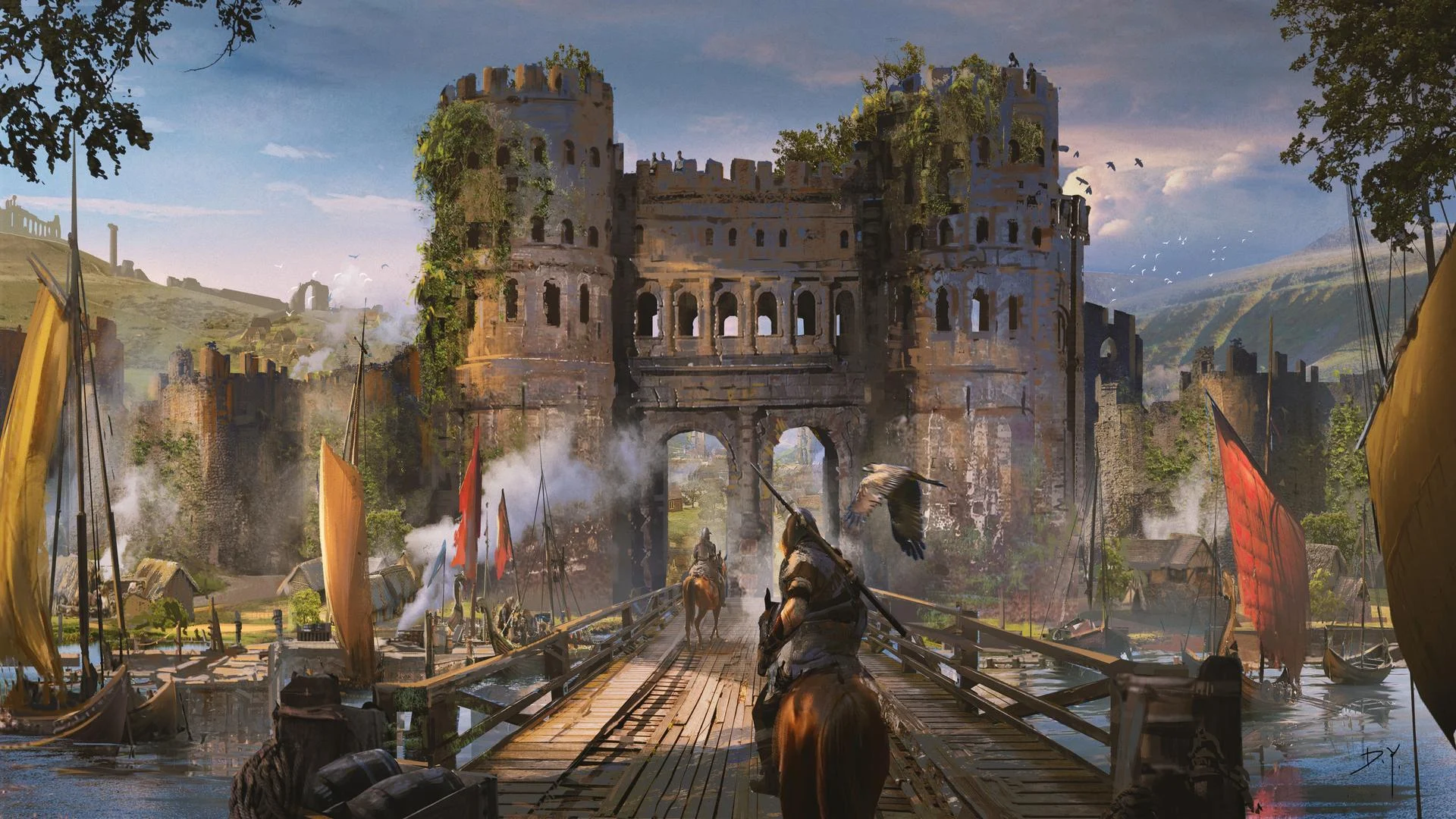
Assassin’s Creed Valhalla has the opposite problem from games that end too soon.
There is an enormous amount here.
Eivor’s journey through England includes regional storylines, settlement development, raids, equipment hunting, optional encounters, exploration, and an unusually long central campaign.
The expansions push the commitment further. Wrath of the Druids adds Ireland, The Siege of Paris adds another substantial storyline, and Dawn of Ragnarök leans heavily into the mythological side of Eivor’s story.
Players looking for a short Viking adventure have better options. Players looking for something that could occupy them for months certainly do not.
Best for: Players who want a huge historical action RPG and do not mind a very long checklist.
13. Starfield
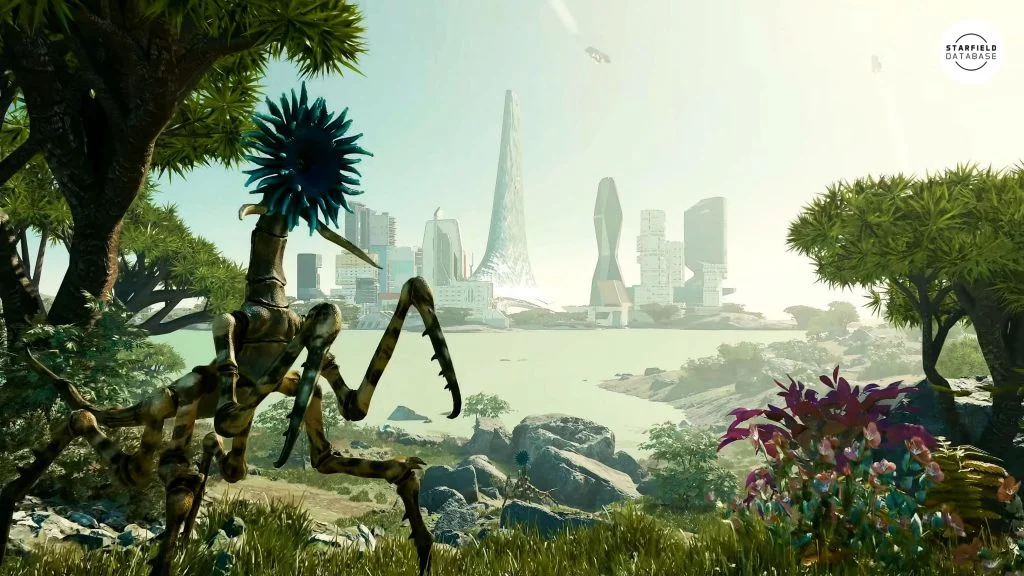
Starfield is one of those Bethesda games where remembering the main objective can become surprisingly difficult.
You can spend an evening advancing the central Artifact storyline. Or you can join a faction, build an outpost, modify a weapon, explore planets, complete side missions, or spend two hours redesigning a spaceship because one module suddenly looks wrong.
Shipbuilding deserves special mention. For the right player, it practically becomes another game layered on top of the RPG.
New Game Plus is also integrated into Starfield’s narrative in an unusual way, giving players a story-related reason to continue beyond their first journey.
Best for: Bethesda fans who enjoy systems, exploration, customization, and getting distracted.
12. Kingdom Come: Deliverance
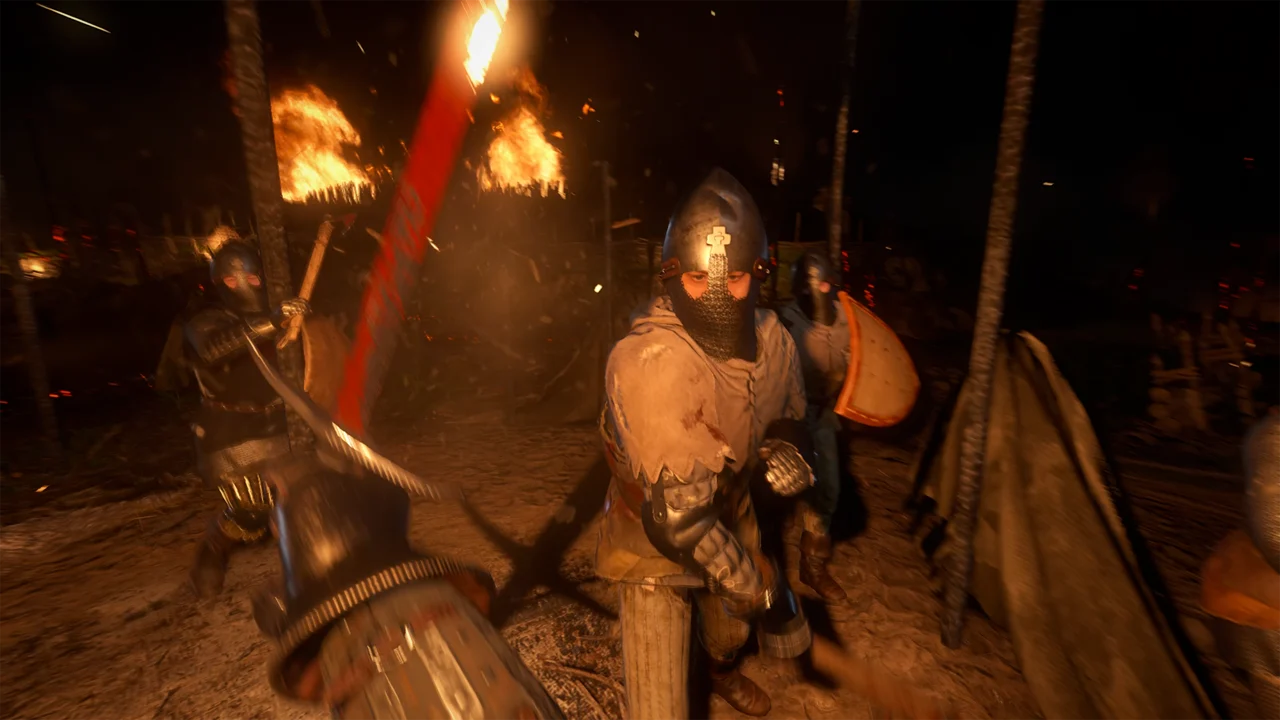
Henry is not the Dragonborn.
He is not a legendary warrior, magical prodigy, or chosen hero. At the beginning of Kingdom Come: Deliverance, he is a blacksmith’s son who has a lot to learn.
That is exactly why progression works.
Combat requires practice. Equipment matters. Hunger and sleep matter. Reputation matters. Henry can even learn to read.
Warhorse Studios built an RPG around medieval Bohemia rather than a fantasy version of medieval Europe, and the result demands a slower mindset.
Players who embrace that simulation instead of rushing toward quest markers can spend an enormous amount of time living inside its world.
Best for: Players who want medieval immersion without dragons or magic.
11. Xenoblade Chronicles X: Definitive Edition
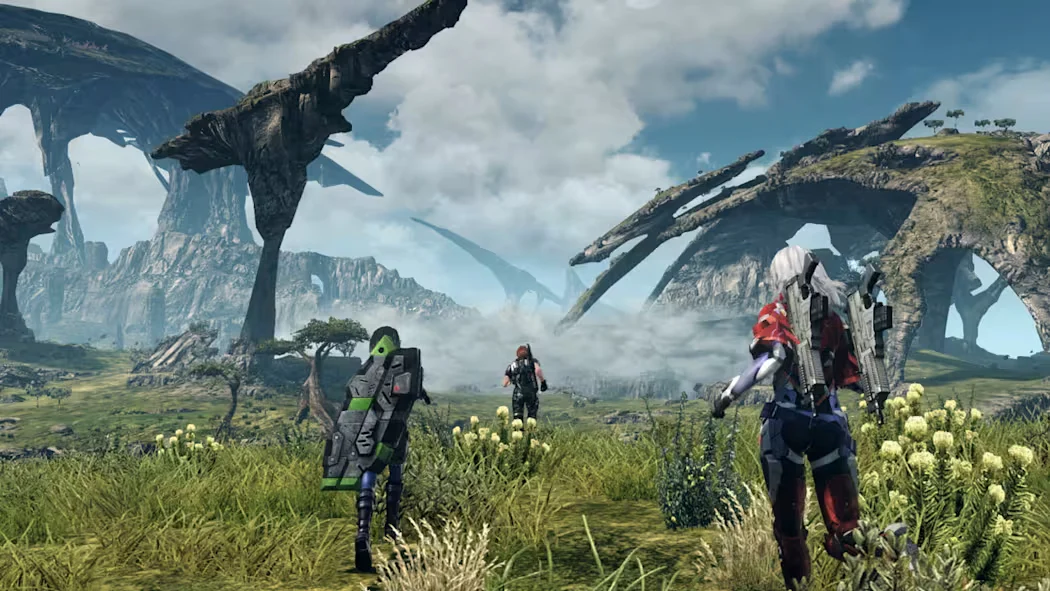
Exploration is not background content in Xenoblade Chronicles X. It is one of the main attractions.
Humanity has established New Los Angeles on the alien world of Mira, and almost everything outside the city begs to be investigated.
Huge creatures roam the landscape, sometimes at levels that make it obvious you should keep moving.
Then you unlock Skells.
Those giant pilotable machines change how the world feels. Areas that once seemed enormous suddenly become easier to cross, and exploration gains another layer once flight enters the picture.
Affinity Missions, equipment, character development, exploration, and optional content make Mira a dangerous place for completionists.
Best for: JRPG fans who want exploration on a genuinely huge scale.
10-6: RPGs That Can Take Over Your Free Time
10. Monster Hunter Wilds
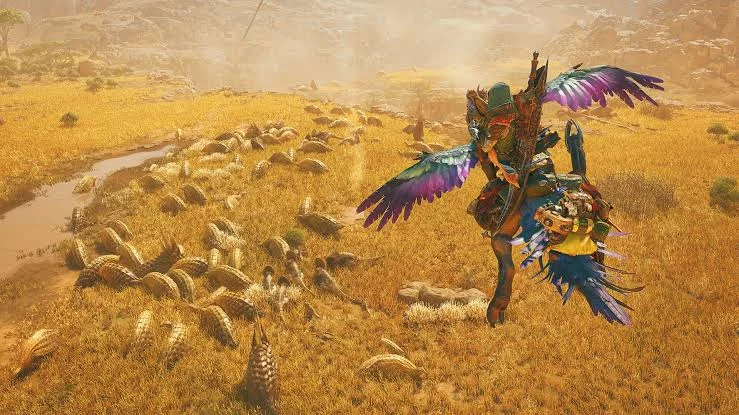
Monster Hunter has never really been about reaching the credits.
The hunt is the point.
The loop remains dangerously effective: hunt a monster, collect its materials, craft better equipment, then use that equipment to hunt something stronger.
Eventually you notice another armor set. Or decide to learn another weapon. Then the process begins again.
The weapon roster is a huge part of the longevity because changing weapons is not comparable to equipping another rifle in a shooter. Learning a Great Sword after spending dozens of hours with a Bow or Long Sword can require completely different timing and positioning.
Best for: Players who enjoy mastering combat systems and chasing increasingly specific equipment.
9. Kingdom Come: Deliverance II
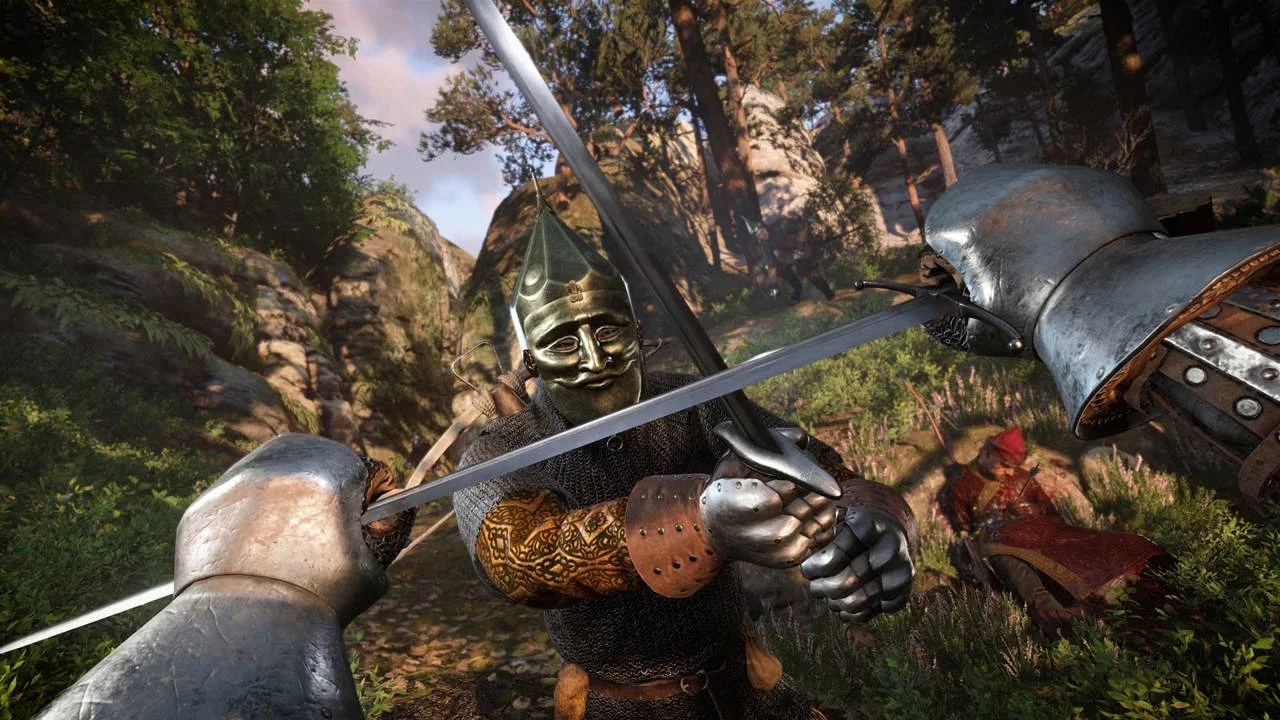
Kingdom Come: Deliverance II takes the historically grounded foundation of the first game and gives Henry a much larger stage.
Combat, dialogue, equipment, reputation, crime, crafting, and exploration all feed into the experience. Once again, the absence of magic is part of the appeal.
You are not hunting dragons. You are trying to survive and navigate a detailed version of medieval Europe.
That creates a different type of power progression. Becoming competent feels rewarding precisely because Henry is still human.
A player following the story efficiently will have a different experience from someone who stops for side quests, explores settlements, works with the game’s systems, and sees what happens when plans go wrong.
Best for: Players who want one of the deepest historical RPG experiences available.
8. Assassin’s Creed Odyssey
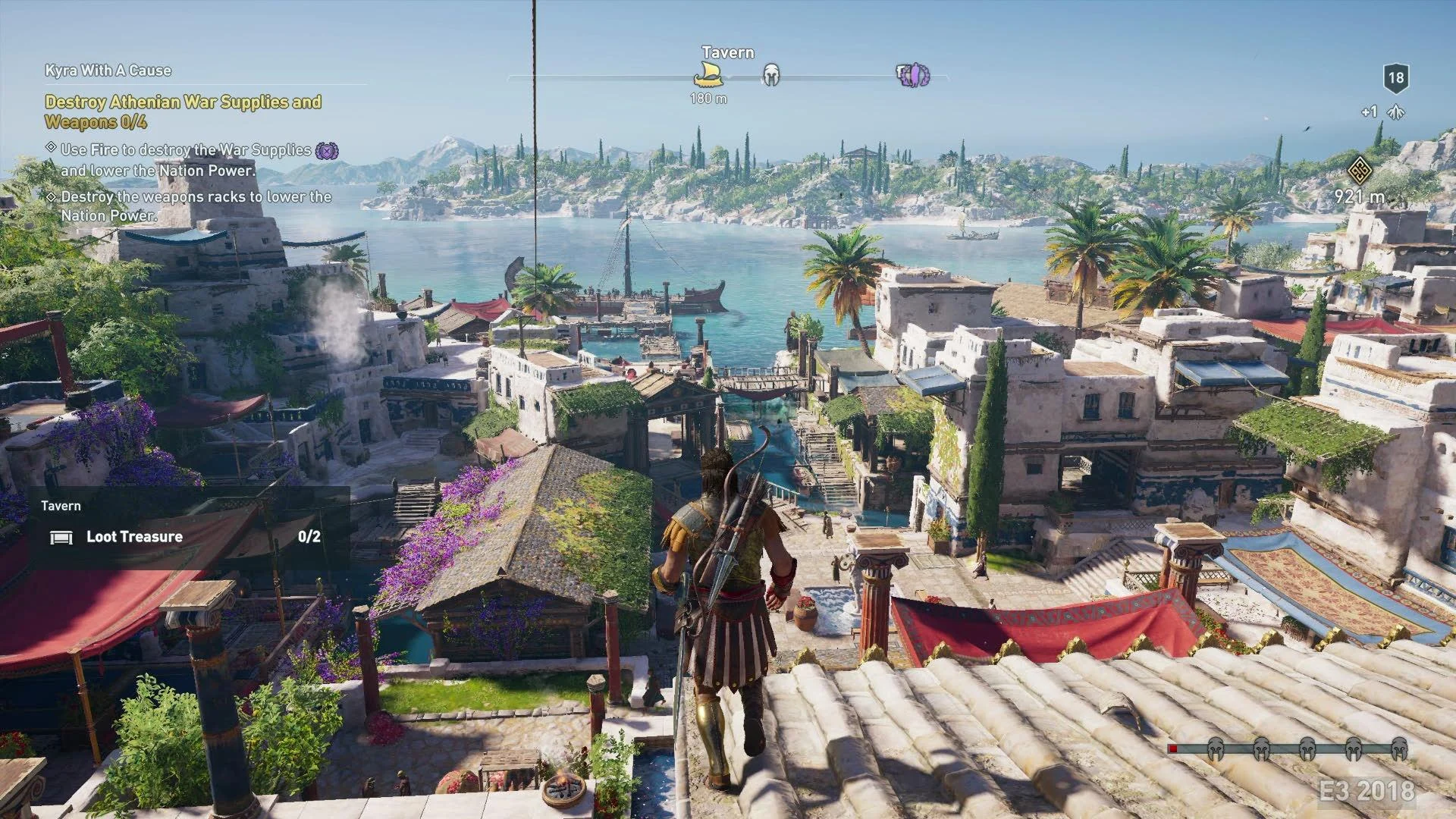
Assassin’s Creed Odyssey turns ancient Greece into an enormous RPG playground.
Kassandra or Alexios can travel between islands, cities, forts, mountains, ruins, and huge stretches of sea while hunting members of the Cult of Kosmos.
The mercenary system creates another layer of chaos. Cause enough trouble and powerful enemies begin hunting you, occasionally arriving at the worst possible moment.
Naval combat, legendary creatures, equipment, side quests, mercenaries, Cult targets, and expansions provide enough distractions that the main storyline can disappear into the background.
Best for: Players who want ancient Greece, naval exploration, and a huge amount of content.
7. Fallout 4
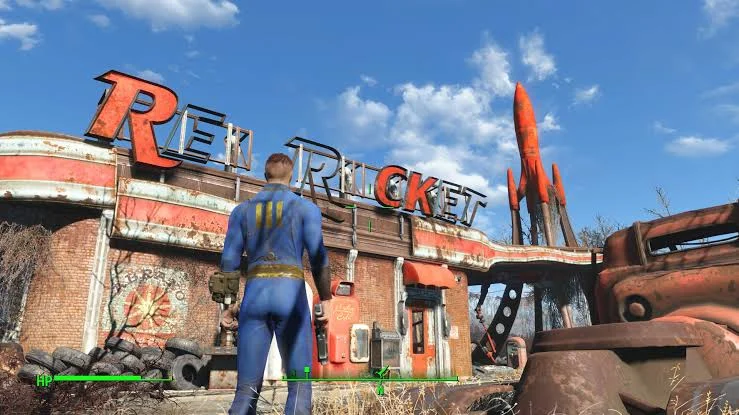
Fallout 4 has a main story somewhere.
Bethesda just keeps putting interesting ruined buildings between you and the next objective.
That remains the studio’s greatest open-world trick. You head toward one quest marker, notice something unusual on the horizon, investigate it, discover another location, and realize an hour has passed.
Settlement construction adds an entirely separate time sink. Players who enjoy building can spend dozens of hours creating settlements without meaningfully advancing the story.
Far Harbor and Nuka-World add substantial areas and story content, while faction decisions and different character builds give repeat players more to explore.
Best for: Players who like scavenging, building, exploration, and environmental storytelling.
6. Cyberpunk 2077 + Phantom Liberty
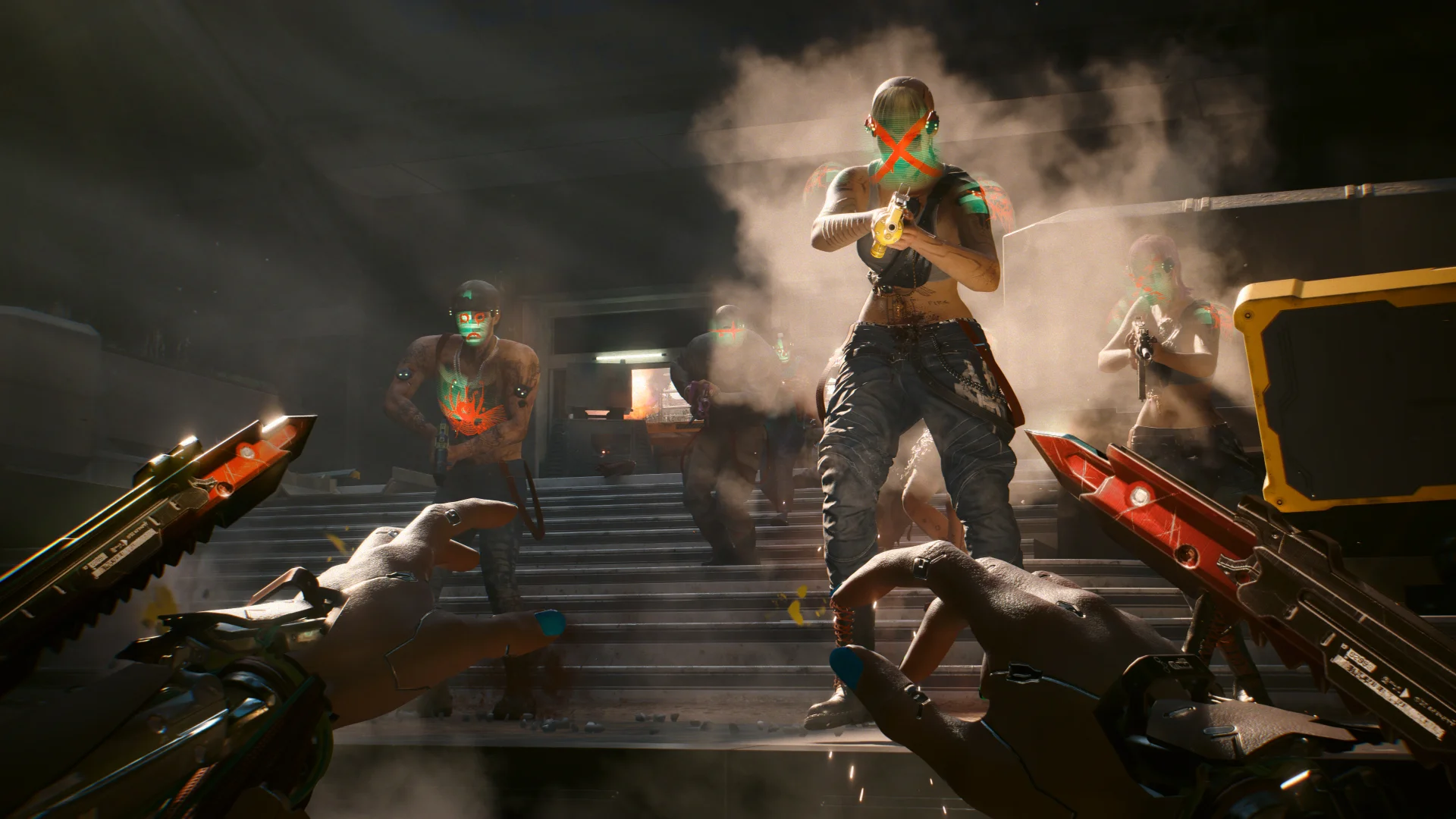
Night City is one of those game worlds that becomes more convincing once you stop treating it like a collection of quest markers.
Cyberpunk 2077 gives V plenty of ways to operate. Hacking, stealth, firearms, blades, cyberware, and hybrid builds can produce dramatically different approaches to the same combat encounter.
The side jobs are just as important. Some of Cyberpunk’s most memorable characters and stories exist away from the central quest.
Phantom Liberty makes the package considerably stronger by adding Dogtown, another major storyline, and Solomon Reed.
A focused run does not need 100 hours. A player who explores Night City, completes side content, plays Phantom Liberty, experiments with builds, and pursues different endings can blow past that number.
Best for: Players who want a dense futuristic city and flexible character builds.
The Five Best Open-World RPGs You Can Play for 100+ Hours
5. The Elder Scrolls V: Skyrim
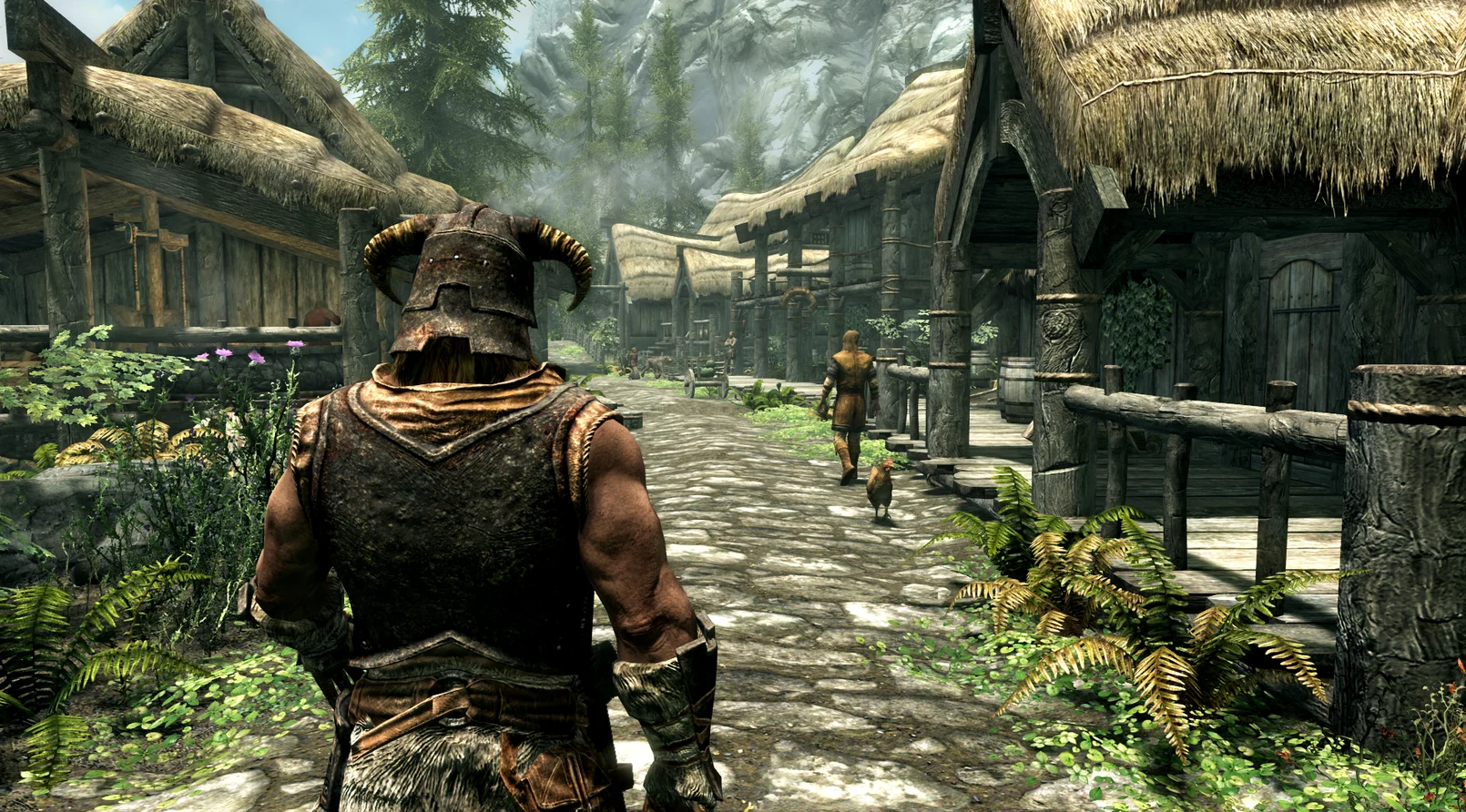
Skyrim has survived for so long because it understands something fundamental about open-world RPGs: sometimes the player’s distraction is more interesting than the objective.
Leave Whiterun intending to complete one quest and you might discover a cave. The cave leads to another quest. Then a dragon attacks. Then you remember you were supposed to visit Riften three hours ago.
Faction questlines allow players to become thieves, assassins, mages, warriors, vampires, and more without immediately resolving the central conflict.
Dawnguard and Dragonborn add even more content.
Then there is the modding scene. On PC especially, community-made quests, locations, visual overhauls, survival mechanics, and gameplay systems can transform Skyrim into something substantially different from the original 2011 release.
Best for: Players who want maximum freedom to wander off and create their own adventure.
4. The Witcher 3: Wild Hunt
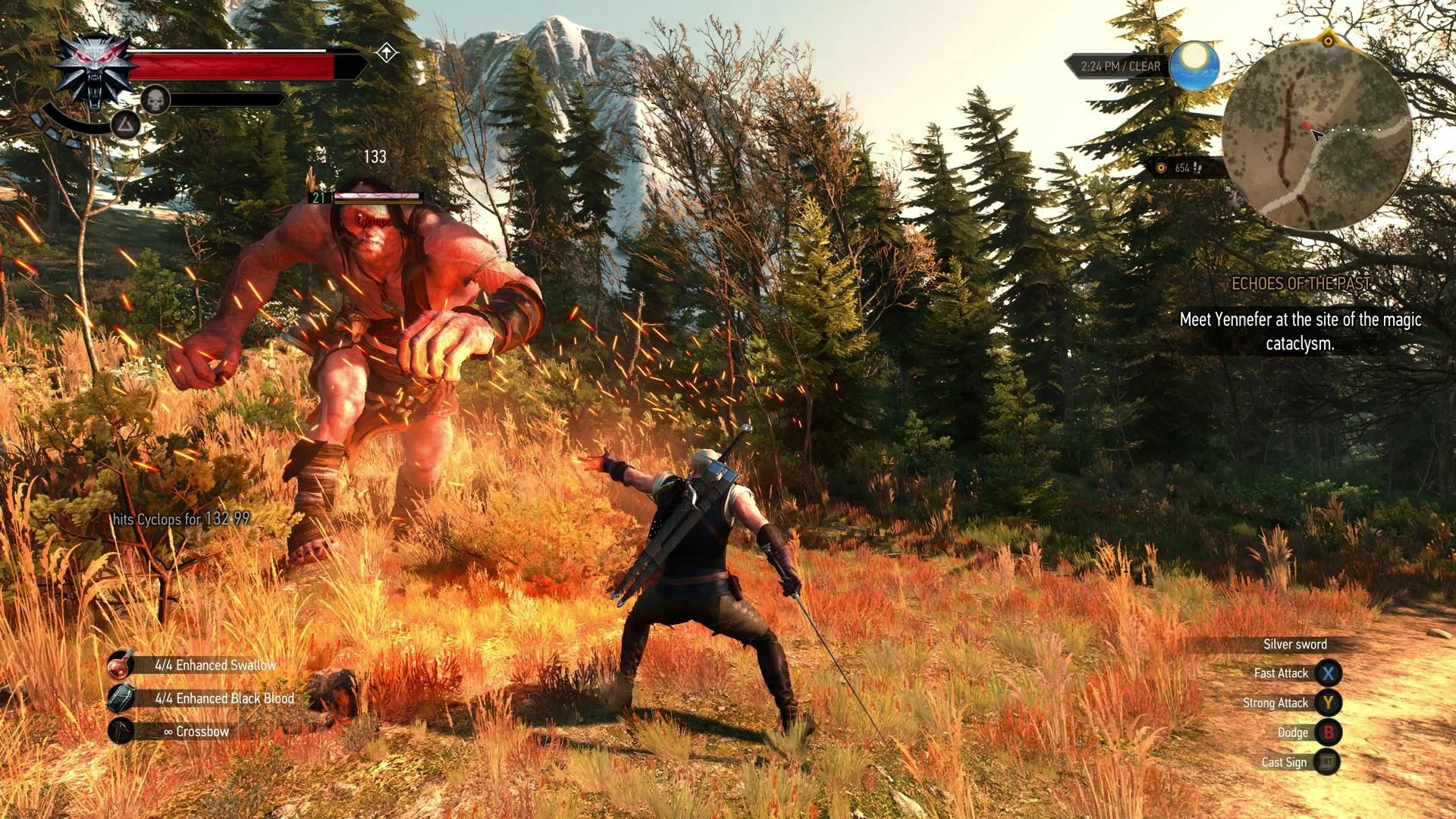
The Witcher 3: Wild Hunt is enormous, but size is not the reason it remains one of the easiest RPGs to recommend.
The side quests are.
Geralt can stumble into stories involving missing villagers, monsters, political disputes, curses, personal betrayals, and morally uncomfortable decisions that would qualify as main quests in smaller games.
That makes wandering through Velen, Novigrad, and Skellige feel worthwhile rather than obligatory.
The expansions make an already massive RPG considerably larger. Hearts of Stone delivers one of the game’s strongest self-contained stories, while Blood and Wine adds Toussaint and enough material to feel almost like a sequel.
Best for: Players who want excellent storytelling without giving up open-world exploration.
3. Baldur’s Gate 3
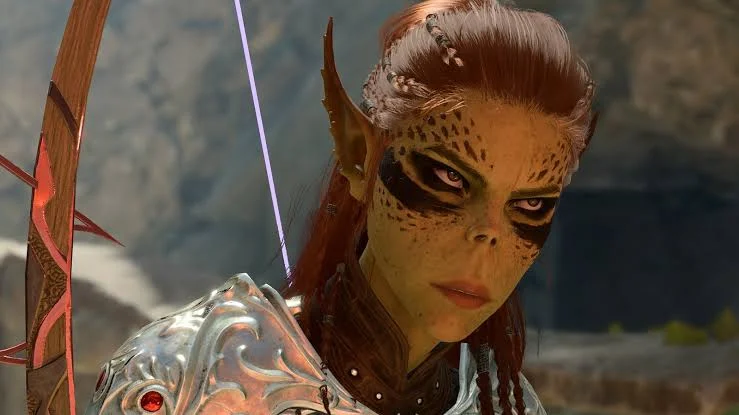
Baldur’s Gate 3 needs a small technical qualification. Its world consists of large explorable regions rather than one uninterrupted open map.
In terms of freedom, though, it absolutely belongs in this conversation.
Larian built an RPG where the obvious solution is rarely the only solution. Fight. Sneak. Persuade someone. Lie. Steal something. Shove an enemy off a ledge. Manipulate the environment. Cast a spell in a way that feels like you are abusing the rules.
Often, the game accounts for it.
The official Baldur’s Gate 3 site describes the game around freedom to explore, experiment, and interact, and that philosophy is visible throughout the campaign.
Replayability is the bigger reason it ranks this high. Classes, companions, romances, Origin characters, major decisions, and the Dark Urge can produce a second campaign that does not simply feel like repeating the first.
Best for: Players who care more about role-playing freedom and consequences than seamless map size.
2. Elden Ring
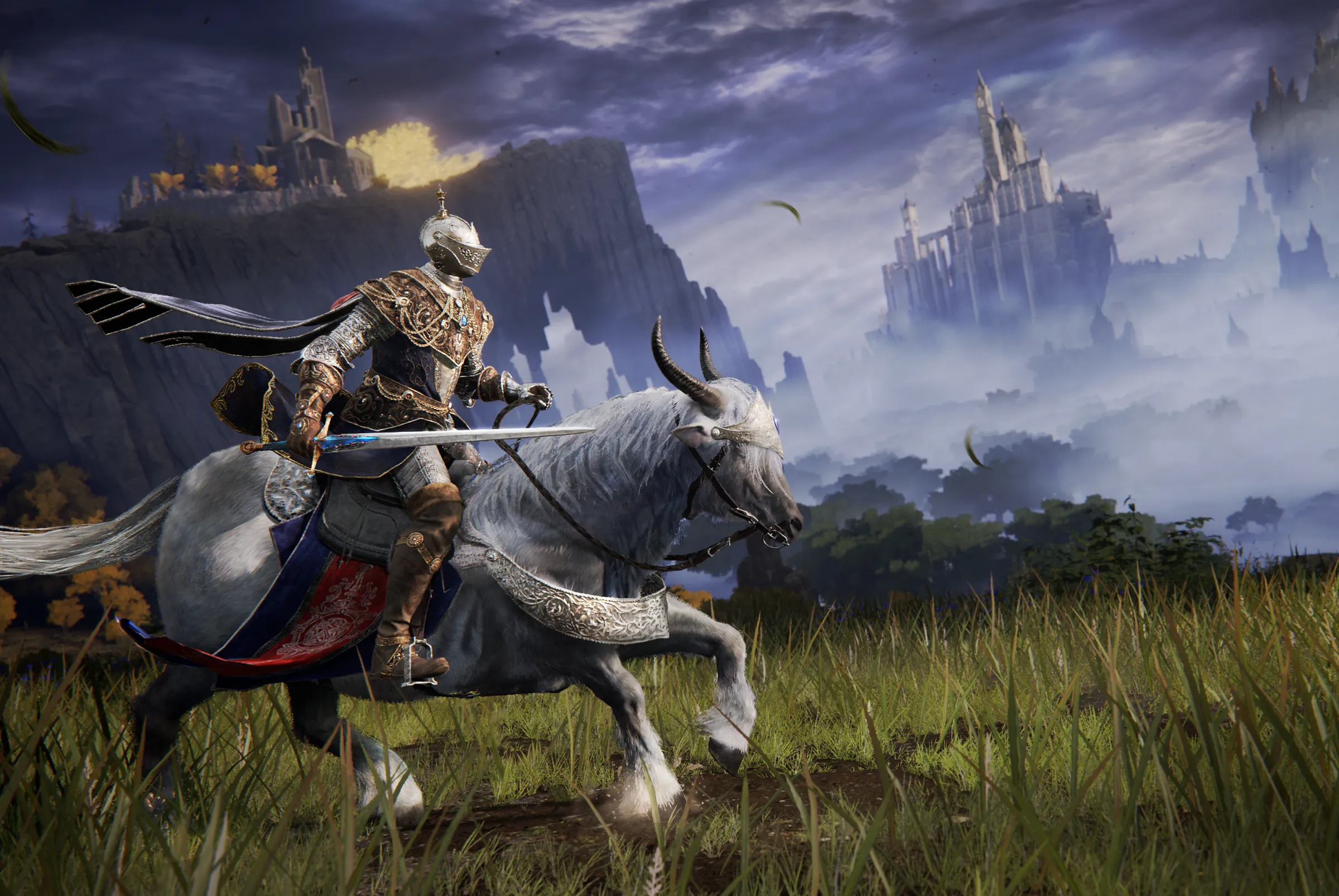
Elden Ring made getting lost exciting again.
FromSoftware does not constantly explain what is worth investigating. The Lands Between simply puts strange structures, enormous enemies, ruins, caves, castles, and distant landmarks in front of you and trusts curiosity to do the rest.
Sometimes investigating a small opening leads to a useful item.
Sometimes it leads to an entire underground region.
Sometimes something horrible kills you.
That uncertainty is the magic.
Build variety gives Elden Ring even more longevity. Strength, Dexterity, Intelligence, Faith, Arcane, and hybrid characters can approach fights in completely different ways.
Shadow of the Erdtree makes the commitment larger. Bandai Namco describes it as FromSoftware’s largest expansion to date, adding the Land of Shadow, new weapons, equipment, skills, magic, enemies, bosses, and additional plotlines.
As of August 2026, Elden Ring is also expanding to Nintendo Switch 2 through the Tarnished Edition, giving another group of players access to the Lands Between.
Best for: Players who want exploration, difficult combat, build experimentation, and the feeling that something strange could be around every corner.
1. The Elder Scrolls Online
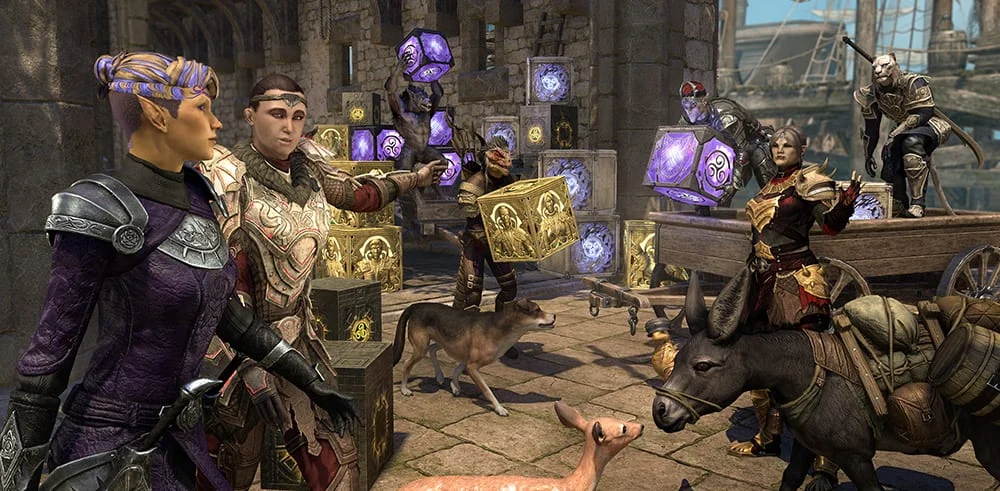
Putting an MMO at number one almost feels like cheating.
If the question is which RPG on this list offers the largest runway beyond 100 hours, though, The Elder Scrolls Online is difficult to beat.
ESO has been expanding since 2014. ZeniMax describes it as an ever-growing world, and that description is literal. The current game includes its original zones alongside years of additional adventures, systems, DLC, and Chapter content.
The official ESO overview lists story content connected to areas and releases such as Morrowind, Summerset, Elsweyr, Greymoor, Blackwood, High Isle, Necrom, Gold Road, and newer seasonal content.
Then there are dungeons, PvP, crafting, housing, Antiquities, Companions, Tales of Tribute, Scribing, and character progression.
The difference between ESO and most games here is simple. The content does not end at the same point for everyone.
A player interested in solo Elder Scrolls stories can spend hundreds of hours moving through Tamriel. Someone who gets into group content, housing, alternate characters, PvP, crafting, or collecting can stay much longer.
As of August 2026, ESO remains actively updated, with the official site already promoting new Season Two content and Update 51 testing.
Best for: Players who want an RPG world they could realistically keep playing for years.
Which 100-Hour Open-World RPG Should You Play?
Picking one becomes much easier once you decide what you actually want to spend those 100 hours doing.
| If You Want… | Start With |
|---|---|
| Exploration and difficult combat | Elden Ring |
| Choices and role-playing freedom | Baldur’s Gate 3 |
| Story and memorable side quests | The Witcher 3: Wild Hunt |
| A fantasy sandbox | The Elder Scrolls V: Skyrim |
| A futuristic city | Cyberpunk 2077 |
| Post-apocalyptic exploration | Fallout 4 |
| Deep factions and dialogue | Fallout: New Vegas |
| Historical realism | Kingdom Come: Deliverance II |
| Gear grinding and combat mastery | Monster Hunter Wilds |
| A world that keeps growing | The Elder Scrolls Online |
If you only have time for one, Elden Ring is the strongest recommendation for players who want a traditional open-world adventure. The Lands Between offers enough exploration for a huge first playthrough without requiring an MMO-style long-term commitment.
Baldur’s Gate 3 is the better choice if the role-playing part of RPG matters most. Its maps are less traditionally open, but its decisions, character interactions, and alternate approaches make repeat playthroughs unusually rewarding.
For story, The Witcher 3 remains hard to beat. For pure sandbox freedom, Skyrim still works remarkably well. And for the player who wants something that could theoretically remain installed for years, ESO has the largest runway of anything here.
A 100-Hour RPG Still Has to Earn Your Time
Length by itself is not a feature.
A 30-hour RPG filled with memorable characters and meaningful decisions can be a better game than a 150-hour adventure built around repetitive objectives.
The best games on this list earn their length differently.
Skyrim makes distraction part of the experience. Elden Ring uses curiosity. Baldur’s Gate 3 uses choice. The Witcher 3 makes optional stories feel important. Monster Hunter Wilds turns mechanical mastery and equipment progression into the reason to continue.
Those are very different approaches to longevity, which is why “How long is it?” is not always the most useful question.
A better question is whether you will still want to play at hour 80.
The RPGs near the top of this list are here because, for the right player, reaching 100 hours does not necessarily feel like reaching the end.
What to Play Next
If you are new to massive RPGs, do not choose based purely on which game promises the most content. Start with the type of experience you already enjoy.
Pick Elden Ring for exploration and combat. Choose Baldur’s Gate 3 for role-playing and decisions. Go with The Witcher 3 for narrative. Try Skyrim if you want freedom without much pressure to follow the main story.
Players specifically looking for a long-term hobby rather than another game to finish should look hardest at Monster Hunter Wilds and The Elder Scrolls Online. Both are built around reasons to continue playing rather than simply reaching the end credits.
And if you are the kind of player who has to open every chest, investigate every cave, finish every side quest, and test another character build, clear more space on the calendar.
One hundred hours might only be the beginning.
Sources
- Bandai Namco Entertainment: “ELDEN RING | Official Site” (accessed August 2026)
- Bandai Namco Entertainment: “ELDEN RING Shadow of the Erdtree | Official Site” (accessed August 2026)
- Larian Studios: “Baldur’s Gate 3 – About” (accessed August 2026)
- The Elder Scrolls Online: “This is ESO” (accessed August 2026)
- The Elder Scrolls Online: Official Site and Current Updates (accessed August 2026)
0 Comments
Be the first to comment.